Advanced Care for
Complex Conditions
Dr. Steven Zodkoy specializes in patients who haven't found relief through standard treatment — using evidence-informed protocols to address the root cause, not just the symptoms.
Health Insights from Dr. Zodkoy
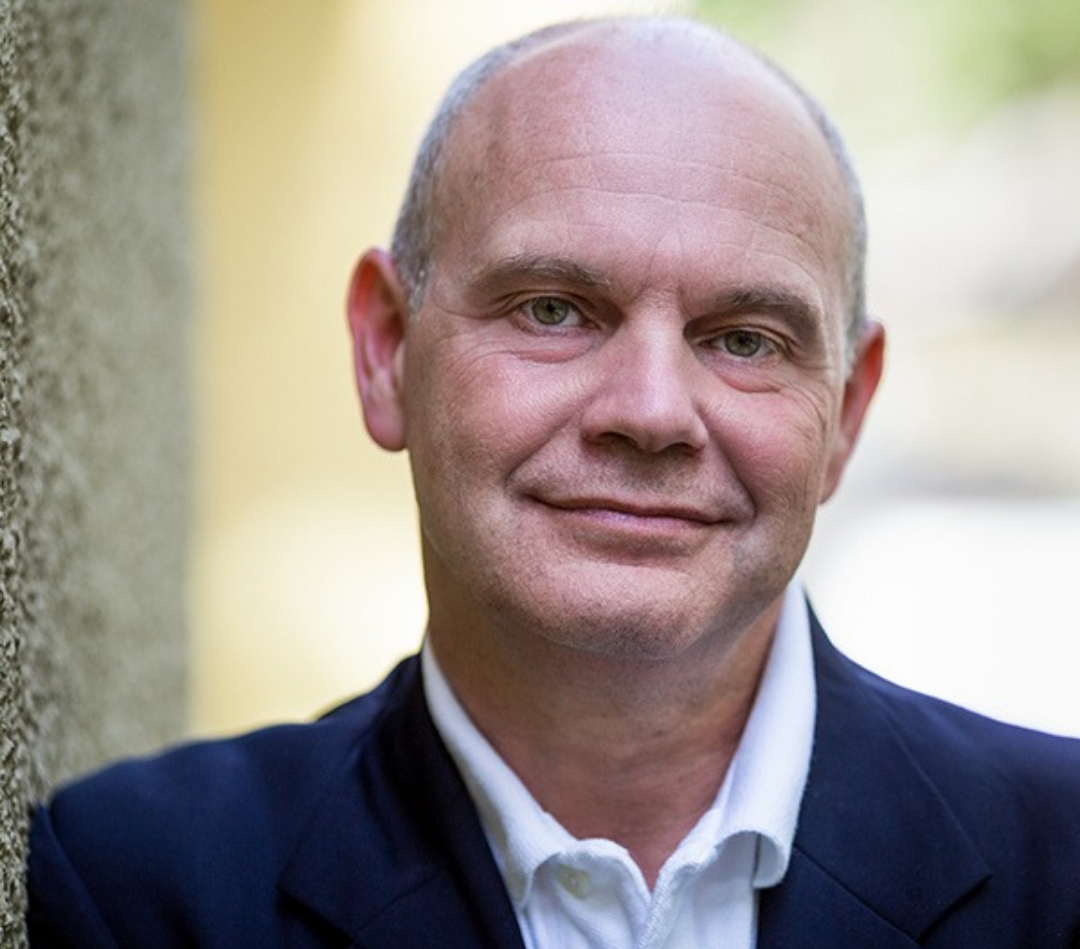
Dr. Steven Zodkoy
DC, CNS, DACBN — Board Certified Chiropractor, Nutritionist & Kinesiologist
For over 35 years, Dr. Steven Zodkoy has dedicated his practice to patients who have not found relief through standard medical care. His approach goes beyond conventional treatment — combining chiropractic care, clinical nutrition, applied kinesiology, and advanced diagnostics to identify and address the root cause of each patient's condition.
Dr. Zodkoy believes that true health is only achieved when the whole body — mind, structure, and nutrition — is functioning at its highest ability. He provides old-fashioned, personalized care while utilizing state-of-the-art technology, giving every patient the attention and depth of assessment they deserve.
Advanced & Integrated Care
A complete range of evidence-informed therapies tailored to your unique health needs.

Applied Kinesiology
Muscle testing to assess neurological function and structural imbalances.
Learn More →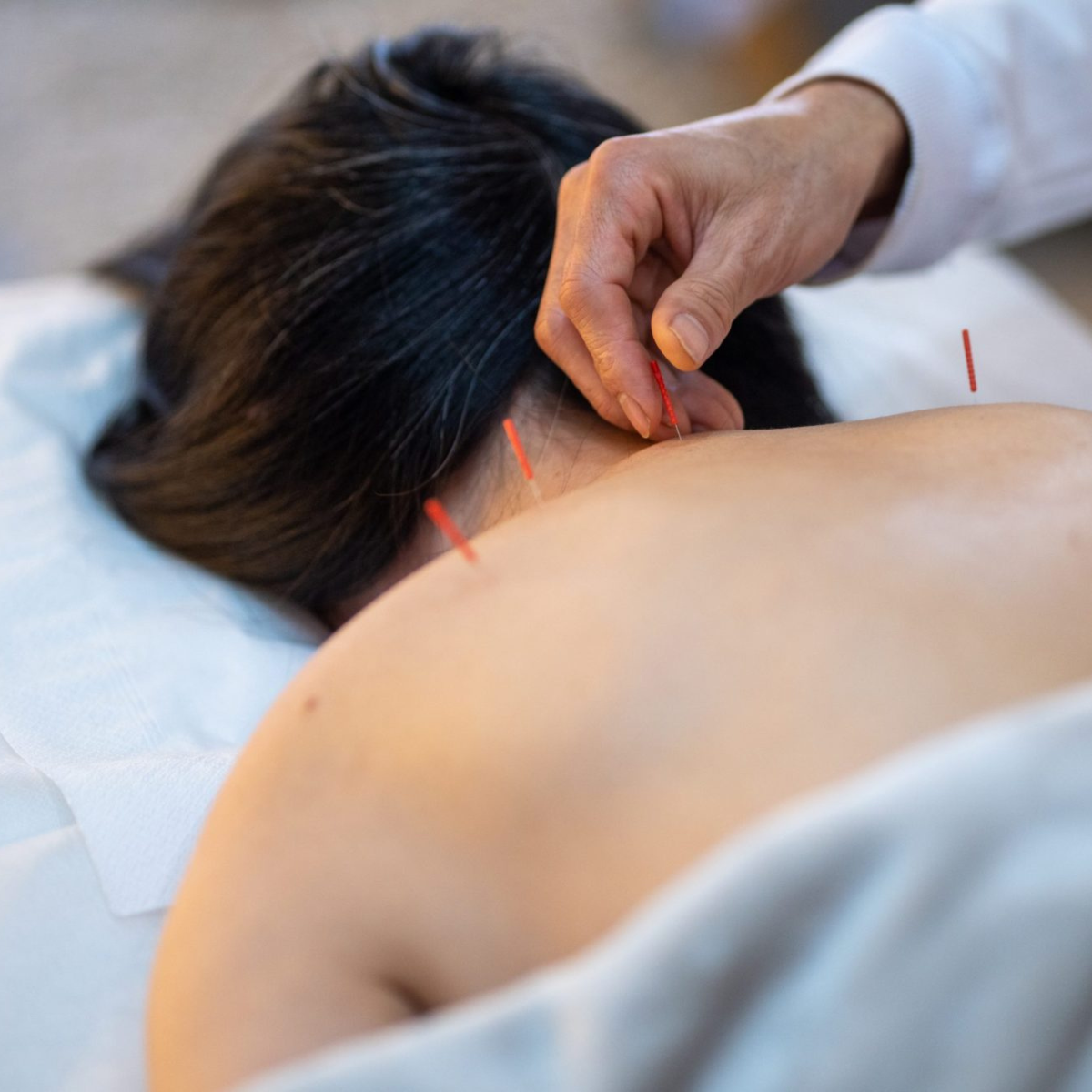
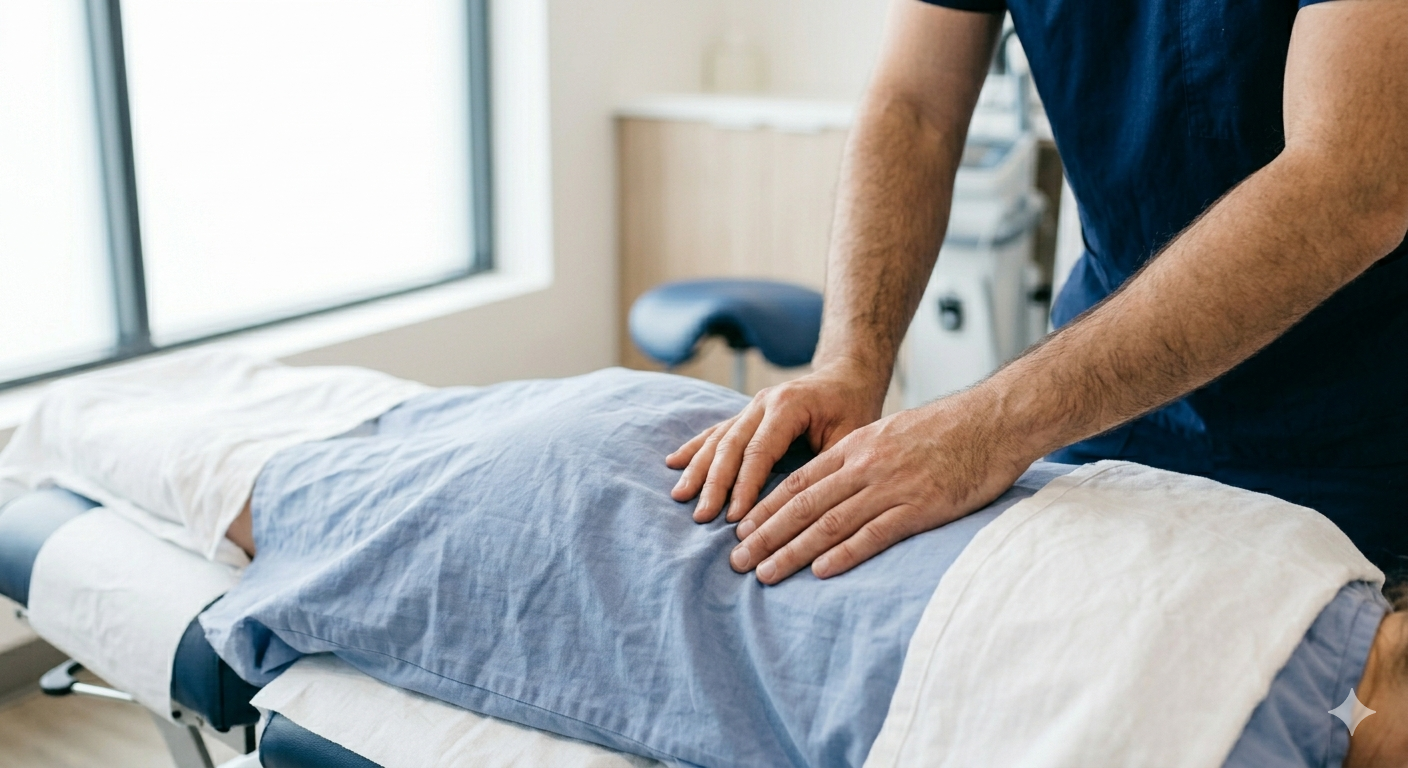
Chiropractic Care
Precision adjustments to restore spinal alignment and nerve function.
Learn More →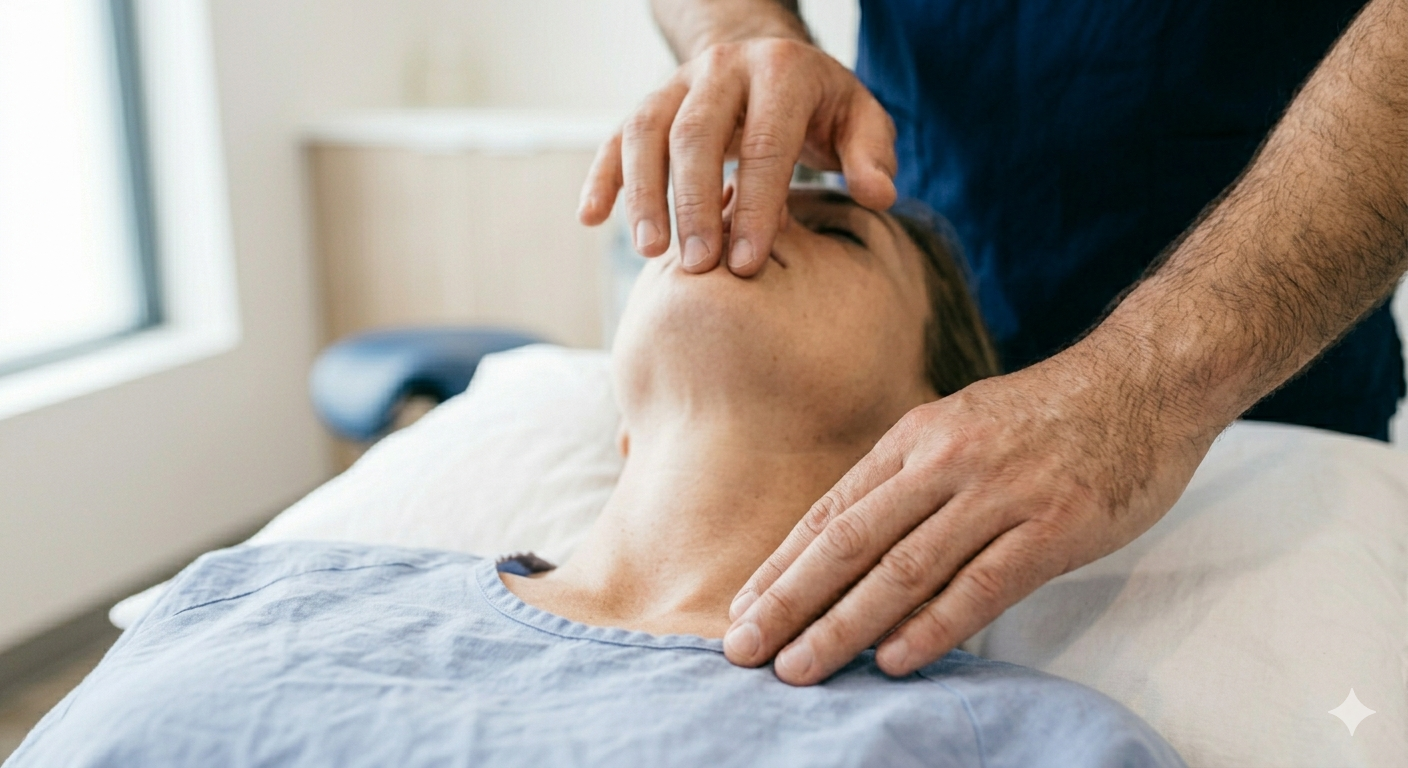
NeuroEmotional Technique
Addressing emotional patterns that create physical stress and dysfunction.
Learn More →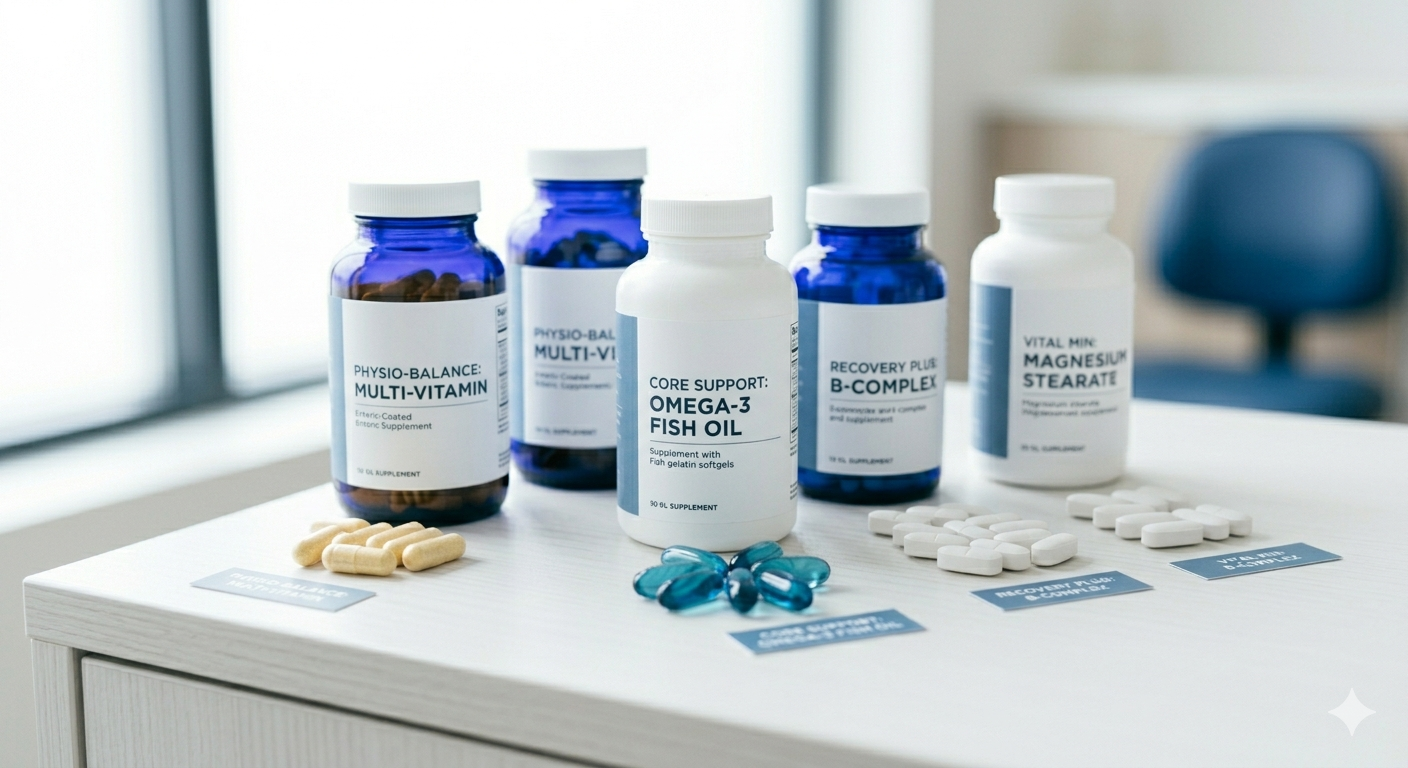
Clinical Nutrition
Advanced nutritional protocols to restore balance and improve function.
Learn More →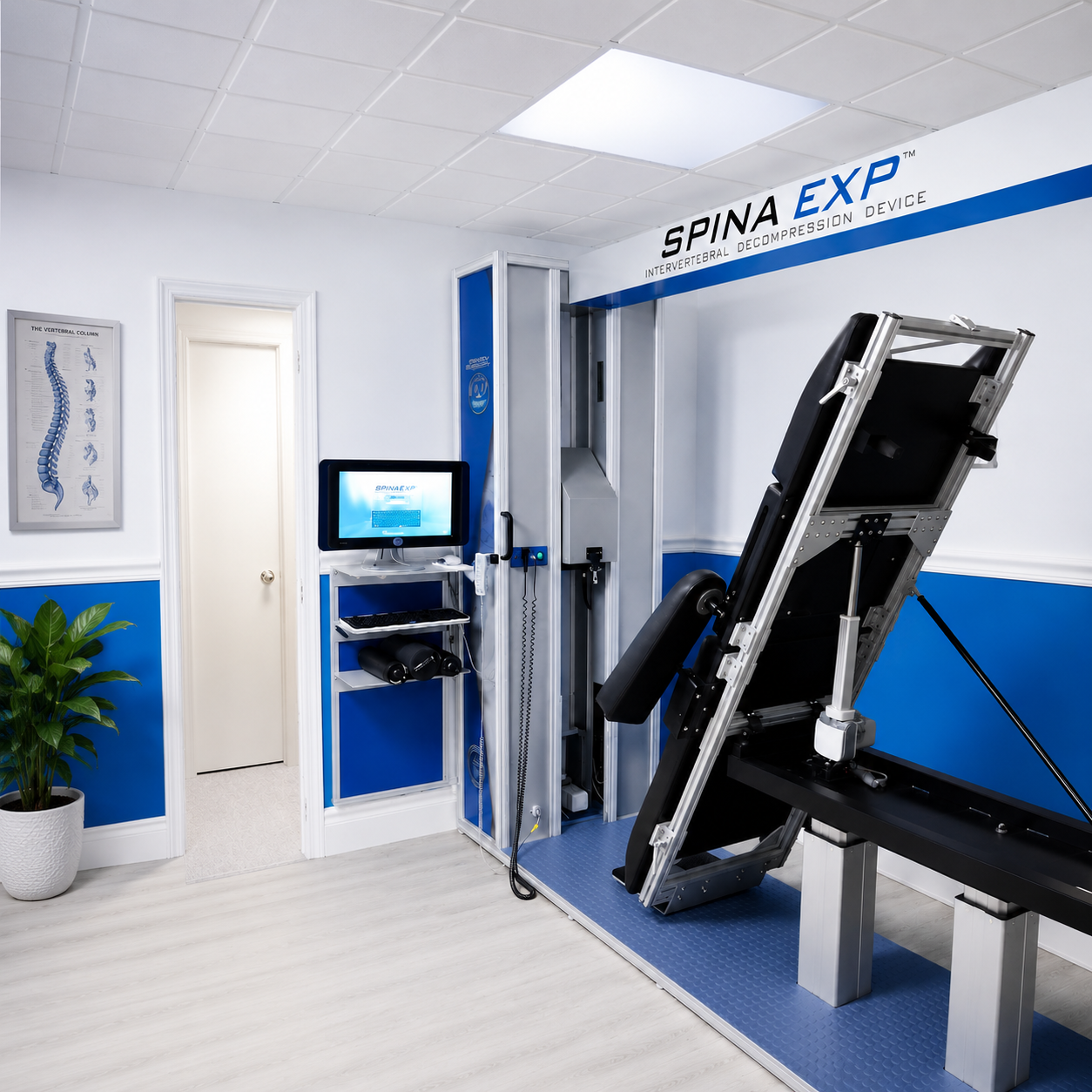
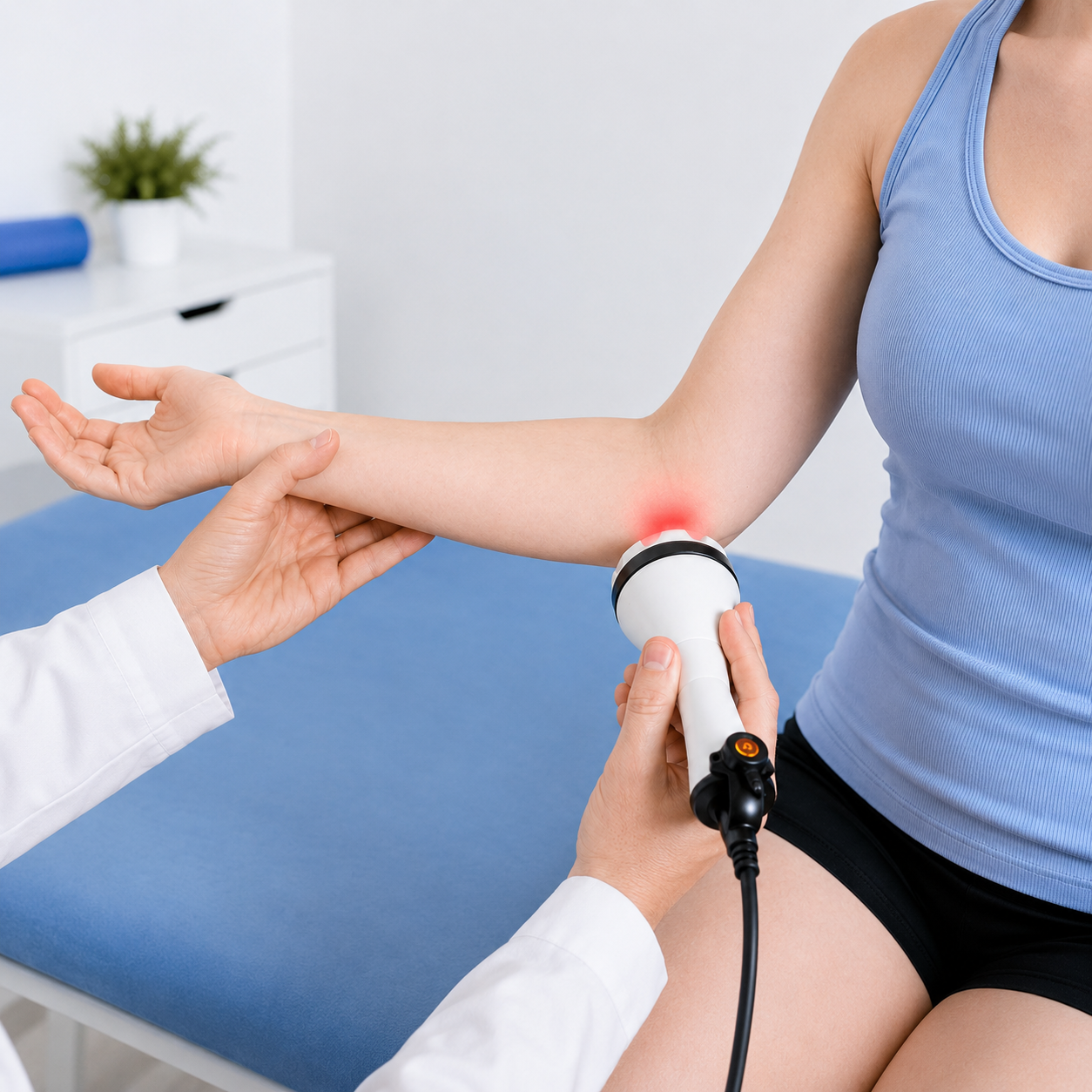
Lightcure Laser Therapy
Deep tissue laser for pain relief, reduced inflammation, and accelerated healing.
Learn More →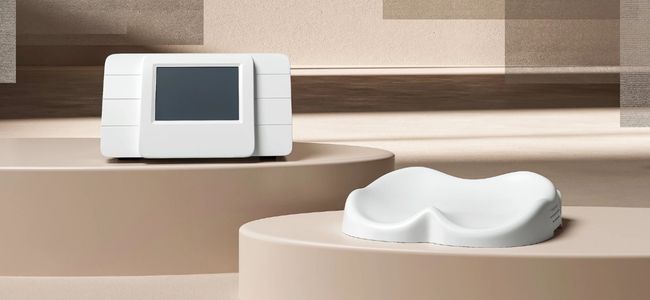
Find Your Protocol
Dr. Zodkoy's evidence-informed protocols are designed to address complex conditions at their root cause.

Low Back Pain Treatment
Low back pain rarely has just one cause. Dr. Zodkoy uncovers every contributing factor using IDD Therapy, LiteCure Deep Laser, Synaptic Therapy, and Whole Body Vibration for lasting, root-cause relief.
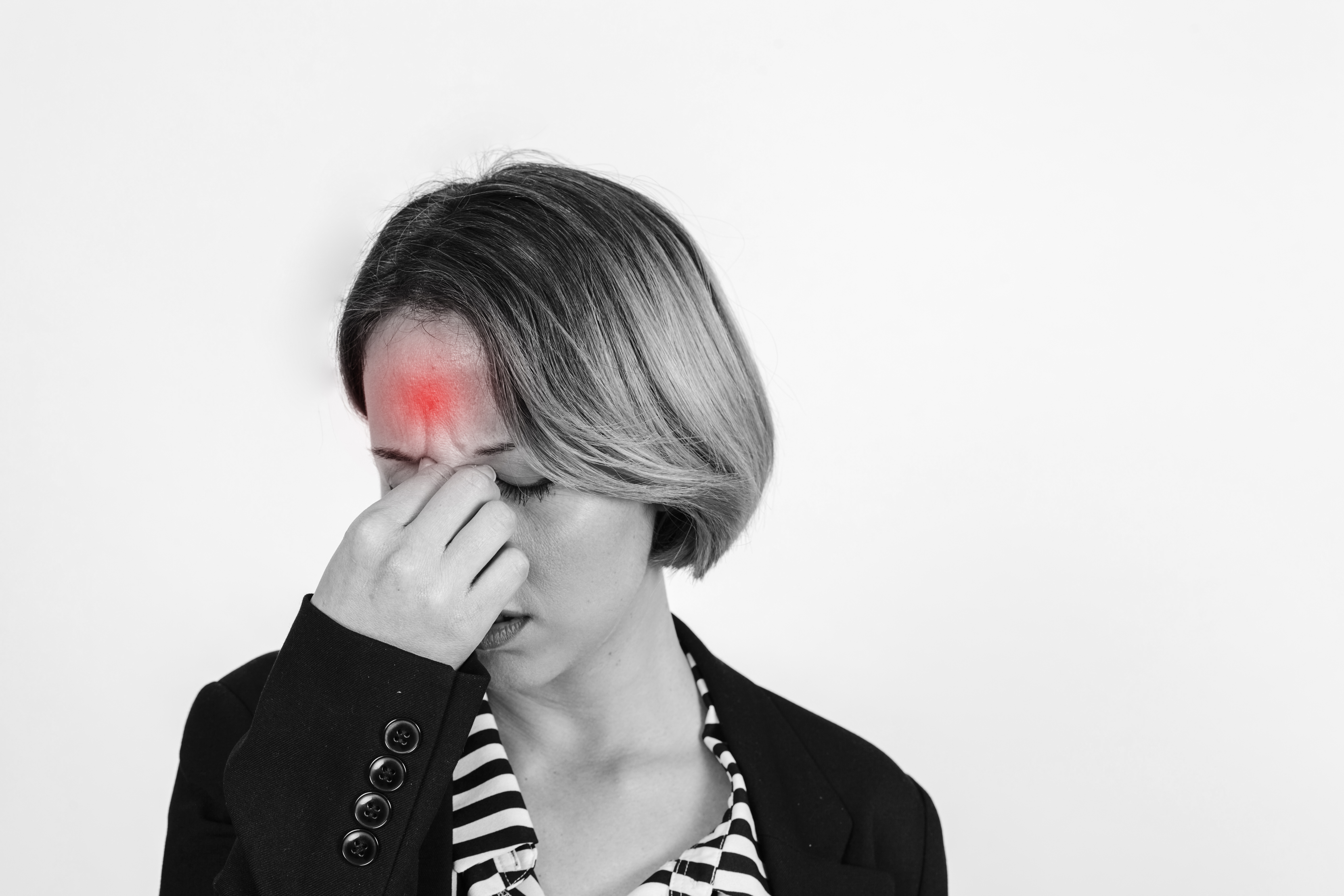
Headache Treatment
Headaches rarely have a single cause. Dr. Zodkoy addresses stress, tension, old injuries, and emotional triggers using Chiropractic, Alpha-Stim, LiteCure Laser, and Clinical Nutrition for lasting relief.

Migraine Prevention
Dr. Zodkoy achieves a 90% reduction in migraine frequency by focusing on prevention, not relief. Chiropractic, Alpha-Stim, Clinical Nutrition, and LiteCure Laser deliver dramatic results within 8–12 weeks.

Temporomandibular Joint (TMJ)
TMJ pain is treated with Chiropractic and Physical Therapy. Difficult cases are evaluated with Applied Kinesiology to find the true root cause. Severe pain responds remarkably well to LiteCure Deep Laser Therapy.
Dr. Zodkoy has developed 60+ condition-specific protocols — if you don't see your condition above, there's a good chance we have a solution for you.
View All Protocols →Connect with Dr. Zodkoy From Anywhere
Dr. Zodkoy is available for remote consultations via the Healthie app — a secure, HIPAA-compliant telehealth platform. Get the same personalized care and access to protocols from the comfort of your home. Dr. Zodkoy has helped patients in over 40 countries around the world.
Real Patients. Real Results.
Patients who had tried everything — medications, injections, surgery — finally found lasting relief with Dr. Zodkoy.
"While providing me nearly 100% lower back relief, the expense has been quite minimal relative to the prior treatments that provided no results at an exorbitant cost."
Tom W. Low Back Pain Patient"I was told that I had to have spinal shots or surgery to receive any pain relief. This program has given me so much less pain that I can drive and sit again!"
Wendy K. Spinal Pain Patient"With the first 4–6 treatments I had a tremendous decrease in pain and my mobility increased! It was the first time in 3 years I had been without pain."
Janet J. Chronic Pain PatientFrequently Asked Questions
Everything you need to know about Dr. Zodkoy, our services, and what to expect at Monmouth Advanced Medicine.
Dr. Zodkoy specializes in treating patients who have not found relief through standard medical care. He treats low back pain, herniated discs, chronic headaches, migraines, TMJ dysfunction, chronic fatigue, pelvic floor disorders, and many other complex conditions using evidence-informed protocols.
IDD Therapy (Intervertebral Differential Dynamics) is an FDA-cleared, non-invasive spinal decompression treatment that precisely targets affected disc levels to reduce pressure, promote healing, and relieve chronic low back pain — often eliminating the need for surgery or injections.
Yes, Monmouth Advanced Medicine welcomes new patients. You can book a consultation by calling 732-308-0099 or through the contact form on our website. Dr. Zodkoy personally reviews each case to develop an individualized treatment protocol.
Yes, Dr. Zodkoy offers remote consultations through Healthie, a HIPAA-compliant telehealth platform. This allows patients outside the Freehold, NJ area to access his protocols, nutritional guidance, and follow-up care from anywhere.
Applied Kinesiology is a diagnostic technique that uses muscle testing to assess neurological function, structural imbalances, and biochemical deficiencies in the body. Dr. Zodkoy uses it to identify the root cause of a patient's condition and design a targeted treatment plan.
Monmouth Advanced Medicine is located at 503 Stillwells Corner Road, Freehold, NJ 07728. The office is open Monday through Friday, 9am to 6pm. You can reach us by phone at 732-308-0099 or by email at [email protected].
Dr. Zodkoy is double board certified as a chiropractor, clinical nutritionist, and kinesiologist with over 35 years of experience. He specializes in patients who have not responded to conventional treatments, offering a comprehensive, whole-body approach that combines chiropractic care, clinical nutrition, advanced diagnostics, and condition-specific protocols.
Yes. Dr. Zodkoy has developed over 60 condition-specific nutritional protocols and provides patients access to professional-grade supplements through Fullscript at a patient discount. Protocols are tailored to each patient's condition and health goals.